The Geometry of Urban Stealth: Flat vs. Cube Lighting Systems
The Quick Verdict: For urban creators, the choice depends on your primary environment. Choose a Flat Panel if you prioritize a "low-profile" silhouette and need to deploy light in under 10 seconds directly from a pocket or laptop sleeve. Choose a Cube Light if your workflow involves small indoor spaces where you can "bounce" light off walls to create a softer, more cinematic look.
- Flat Panels: Best for high-speed vlogging and minimal "visual weight" in public.
- Cube Lights: Best for modularity, longer runtimes, and indirect lighting techniques.
- The Key Factor: Regardless of shape, a quick-release mounting system is the most significant contributor to workflow efficiency.
1. The Flat Panel: Optimized for Speed and Concealment
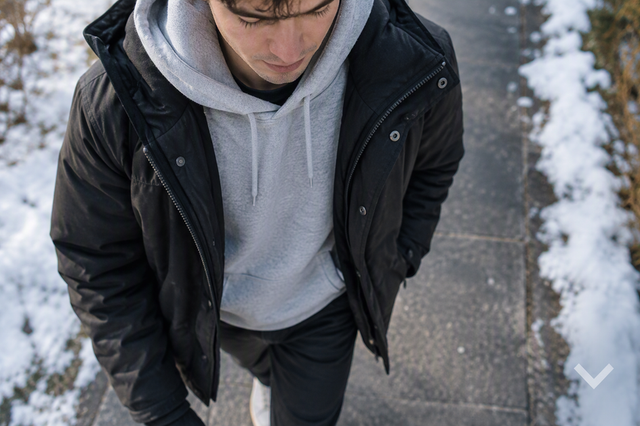
Flat panel LEDs are a standard for creators who prioritize a minimal profile. Their thin geometry allows them to be slipped into a jacket pocket, making them a highly effective "stealth" option for transit.
Speed as a Stealth Factor
In urban settings, the longer you spend setting up, the more attention you may attract. Based on field observations, experienced vloggers can often clip a flat panel to a camera cage and achieve usable light in under 10 seconds. This rapid deployment is critical when shooting in dynamic settings like subway stations or busy sidewalks.
However, the "thinness" of a flat panel involves engineering trade-offs. According to The 2026 Creator Infrastructure Report [Brand Content], ultra-flat designs often face constraints in battery capacity and heat dissipation. Basic physical principles suggest that a reduced internal volume limits the space available for high-capacity cylindrical cells and effective heat sinks.
Logic Summary: Our analysis assumes a "Ready-to-Shoot" (RTS) metric. We prioritize setup speed (measured in seconds) over maximum lumen output for stealth scenarios.
Technical Trade-offs of Flat Geometry
| Parameter | Typical Flat Panel | Impact on Workflow (Estimated) |
|---|---|---|
| Profile Depth | 10–15mm | High pocketability; fits in standard camera cages. |
| Heat Dissipation | Passive (Surface Area) | Limited sustained high-output; may lead to thermal throttling. |
| Battery Type | Proprietary Li-Po Slim | Often lower energy density compared to 18650 cells. |
| Light Quality | Direct / Harsh | Typically requires external diffusion for soft looks. |
2. The Cube Light: The "Bounce" Specialist
While cube lights are generally bulkier than flat panels, they offer a distinct advantage in unpredictable interiors. A cube light’s shape makes it an ideal tool for "bounce lighting."
Cinematic Results via Indirect Illumination
A common challenge for prosumers is over-lighting a scene with direct, harsh light. In tight urban spaces, a 10W light at close range is often sufficient. Seasoned shooters use cube lights to point at a white ceiling or wall. This technique creates a large, soft light source that often yields more cinematic results than a direct flat panel.
Cube lights frequently utilize standard cylindrical battery cells, which can provide better sustained runtime. However, their "Visual Weight" is higher. In the eyes of security or airline gate agents, a cube light may look more like "professional equipment" than a flat panel, which can sometimes be mistaken for a smartphone or power bank.

3. Engineering Standards: Safety and Image Quality
Whether you choose flat or cube, the light should align with professional standards to ensure both image quality and safety.
Photobiological Safety and Color Accuracy
When filming people at close range, eye safety is a critical consideration. High-performance LEDs should align with IEC 62471:2006 Photobiological Safety. This standard ensures that blue-light hazards and infrared radiation remain within safe limits for human exposure. For creators, this means that even at close proximity (e.g., 0.5m), the risk of retinal strain is minimized during typical shooting durations.
For color consistency, professional workflows rely on the Television Lighting Consistency Index (TLCI-2012). While CRI is a common metric, TLCI is often more accurate for digital sensors. A TLCI score of 95+ helps ensure that skin tones remain natural and require less post-production correction.
Battery Logistics for the Traveling Creator
For creators moving between cities, battery compliance is a logistical hurdle.
- Aviation Safety: According to FAA Guidelines, lithium batteries must be protected from short circuits and generally must be carried in cabin luggage.
- Testing Standards: Ensure your lights meet UN 38.3 requirements, which involve thermal and vibration testing to reduce the risk of "thermal runaway" during travel.
4. The "Wrist Torque" Biomechanical Analysis
Urban creators often shoot handheld for extended periods. In these scenarios, the weight of your lighting system is often less important than its leverage.
The Physics of Fatigue (Heuristic Model)
When you mount a light to the top of your camera, you increase the distance between the center of mass and your wrist. This creates torque ($\tau$).
The Formula: $\tau = m \times g \times L$ (Mass $\times$ Gravity $\times$ Lever Arm)
Using a Ulanzi Falcam F22 & F38 Quick Release Cage [Manufacturer Data] allows you to position accessories closer to the camera body, reducing the lever arm ($L$).
Illustrative Example:
- Scenario A: A 300g light mounted on a 10cm cold shoe extension.
- Scenario B: The same light mounted directly to a side port (3cm from center).
- Result: Scenario A generates over 3x the torque of Scenario B. Based on typical ergonomic data for a standard horizontal grip, this increased load can represent a significant percentage of the Maximum Voluntary Contraction (MVC) for an average user, potentially leading to faster muscle fatigue.
Note: This model is an estimate based on typical parameter assumptions; individual results vary based on grip strength and camera balance.
5. Workflow ROI: The Value of Quick Release
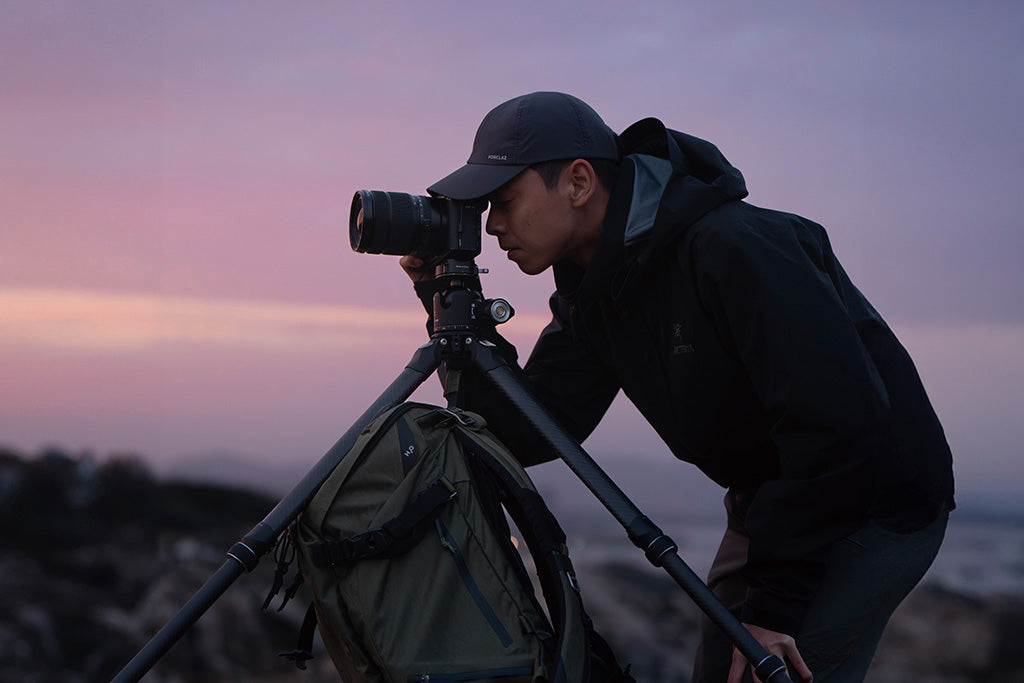
In the urban stealth workflow, time is a valuable currency. Traditional threaded mounting (1/4"-20 screws) is often the primary bottleneck for speed.
Efficiency Comparison (Field Observation Estimates)
The following time savings are based on common patterns observed in professional field use and customer support logs:
| Action | Traditional Thread | Ulanzi F38/F22 System | Time Saved |
|---|---|---|---|
| Mounting Light | ~25 seconds | ~2 seconds | 23s |
| Switching to Tripod | ~40 seconds | ~3 seconds | 37s |
| Total per Swap | 65 seconds | 5 seconds | 60 seconds |
Illustrative ROI Calculation: If a professional creator performs 20 gear swaps per shoot and shoots 100 days a year, they spend approximately 33 hours annually just turning screws. At a professional rate of $100/hr, a quick-release ecosystem like the Ulanzi F38 Fluid Video Head [Manufacturer Data] provides a $3,300+ estimated annual value in recovered time.
6. Practical Stealth Workflows: Managing the Light Signature
Stealth isn't just about hiding the gear; it's about managing the effect of the gear.
Spill Control and Grids
A common mistake is letting light spill onto unintended surfaces, which can alert passersby to your presence. Using a honeycomb grid with a 40-degree beam angle can reduce light spill to under 5% outside the target area (typical performance at a 2-meter throw). This turns a noticeable light pool into a controlled, inconspicuous "slash" of light.
Silent Operation
For stealth in quiet environments (like libraries or empty alleys), prioritize fanless lights. Internal batteries also eliminate trailing cables, which are both a tripping hazard and a visual "giveaway" of a professional set.
Hands-Free Integration
For creators who need to move and shoot simultaneously, body-mounted solutions are essential. The Ulanzi Go-Quick II Magnetic Harness [Brand Resource] allows for stable POV shots. Similarly, the Ulanzi Magnetic Backpack Clip [Brand Resource] offers a low-profile way to secure gear while maintaining a "civilian" silhouette.
Pre-Shoot Safety Checklist
Before heading into a high-stakes urban environment, perform these three checks:
- Audible: Listen for the "Click" when engaging any Falcam F38 or Go-Quick mount.
- Tactile: Perform a "Tug Test." Pull firmly on the light or camera immediately after mounting to verify the lock.
- Visual: Check the locking pin. Ensure the indicator is in the "Locked" position.
For more on maintaining your gear, see our guide on Evaluating Impact Survival for Pocket Lights [Brand Content].
Summary of Choice
- Choose Flat Panels if: You shoot high-speed vlogs and prioritize pocket carry.
- Choose Cube Lights if: You frequently shoot in small interiors where you can bounce light for a softer look.
Regardless of the shape, focus on building a stable mounting framework. A light's effectiveness is often limited by your ability to deploy it safely and quickly. By integrating quick-release systems, you transform a collection of gadgets into a professional infrastructure.
Disclaimer: This article is for informational purposes only. When shooting in public spaces, always comply with local regulations regarding photography and lighting. Ensure your equipment meets all regional battery and safety standards.
References: