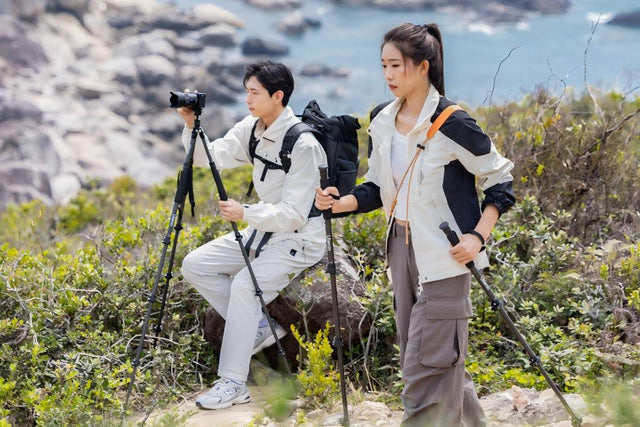
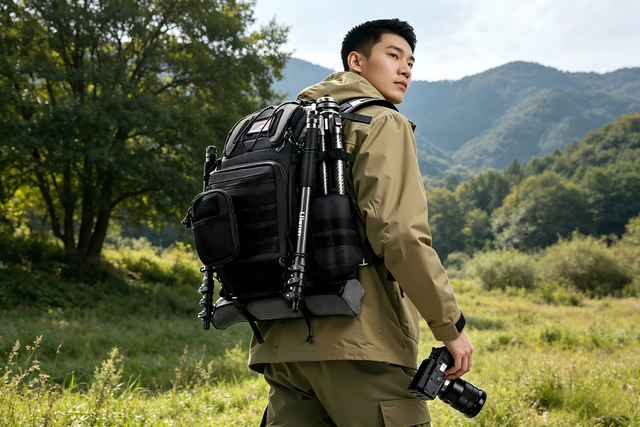
A $15,000 cinema camera deserves better than a wobbly tripod. Add a heavy telephoto lens, and consumer-grade legs start flexing, drifting, and ruining your shots. Only the right high-capacity support system can keep expensive gear stable and deliver the smooth, precise movements professional footage demands.
Why Heavy Cinema Rigs Need Specialized Tripodst
Professional cinema setups push way beyond consumer tripod limits. A RED or ARRI body already weighs 8-12 pounds, but that's just the start. Add follow focus, matte box, external recorder, wireless video transmitter, and battery systems, and you're looking at 20-30 pounds before mounting any glass.
Weight Distribution Creates Balance Problems
Long telephoto lenses shift the center of gravity dramatically forward. A 600mm lens extends far from the tripod mount, creating torque that standard legs can't handle.
Typical weight breakdown:
- Camera cages and rigging: 5-8 pounds
- External monitors and battery packs: 3-5 pounds
- Professional telephoto lenses: 8-15 pounds each
- Total combined weight: 40-50+ pounds
Vibrations Get Magnified Through Long Glass
Telephoto lenses amplify every tiny movement. A 600mm lens magnifies camera shake about 12 times more than a 50mm lens. That slight breeze or nearby footstep becomes visible wobble in your footage.
Large camera bodies and extended lenses catch wind like sails. Cheap tripods flex and sway under these forces, while professional video tripods use heavier construction and vibration-damping materials to stay rock-solid.
Smooth Camera Movements Require Rigid Support
Cinematic panning and tilting demand fluid motion. Unstable tripods drift during moves, bounce back after stopping, or judder during slow pans. A proper high-capacity tripod stays rigid during movement and settles instantly, giving you the control professional footage requires.
So what separates a tripod that can handle these demands from ones that can't? Several key specifications make the difference. Pay close attention to these six features, which could directly determine if your tripod will support or sabotage your shoots.
Load Capacity Goes Beyond the Specs Sheet

Manufacturers list maximum load capacity, but that static rating tells only part of the story. Dynamic payload capacity matters more for video work. Panning, tilting, and adjusting position all create forces exceeding your gear's resting weight.
Smart buyers multiply their total rig weight by 1.5 or even 2 when comparing tripod specs. A 40-pound setup demands a tripod rated for 60-80 pounds minimum. This safety margin ensures stability during movement and accounts for future gear additions.
| Rig Weight | Minimum Tripod Rating | Recommended Rating |
| 20-25 lbs | 35 lbs | 40-50 lbs |
| 30-35 lbs | 50 lbs | 60-70 lbs |
| 40-45 lbs | 65 lbs | 80-90 lbs |
| 50+ lbs | 80 lbs | 100+ lbs |
Underspeccing here guarantees regret later. The extra space lets you add accessories or switch to heavier lenses without worrying about damaging the expensive gear.
Carbon Fiber vs Aluminum: Which Material Works Best
Carbon fiber dominates professional sets for good reason. These composite legs weigh 30-40% less than aluminum while providing superior vibration damping. The material absorbs micro-tremors that would otherwise travel through metal directly to your sensor.
Carbon Fiber Strengths:
- Significantly lighter for transport
- Better vibration absorption
- Temperature insensitive (won't freeze or burn hands)
- Corrosion resistant in wet conditions
Aluminum Tripod Benefits:
- Lower initial cost
- Survives impacts and rough handling better
- Easier to repair in the field
- Works great for studio environments
Aluminum tripods make sense for rental houses and rough environments where durability trumps weight. The weight penalty matters less in studios where the camera video tripod stays stationary. Leg diameter and wall thickness affect stiffness more than material alone—thick aluminum can outperform thin carbon in rigidity tests.
Leg Locks: Twist vs Flip Mechanisms
Twist locks seal out dust and sand effectively, making them reliable for outdoor shooting with long lenses. Each leg section locks independently with a quarter-turn. This deliberate action prevents accidental collapse under heavy gear.
Flip locks enable faster setup but expose mechanisms to debris. Quality flip-lock systems incorporate seals and robust metal construction worth the premium pricing.
Cheap flip locks fail catastrophically under the torque from heavy, front-loaded camera systems. For tripod use in heavy-gear applications, stick with proven locking systems from established manufacturers.
Bowl Mounts and Fluid Head Compatibility
A 75mm or 100mm bowl mount transforms a video camera tripod into a professional platform. These standardized interfaces accept fluid heads, which provide the smooth panning and tilting motion cinema work requires. Flat mounting plates can't match the adjustment range and stability needed for precise leveling on uneven ground.
Your tripod fluid head and legs need to match in quality. A $200 head on a $1,000 tripod wastes potential. Similarly, a $2,000 head deserves legs that won't flex or drift during critical shots. Below are the quality matching guidelines:
- Entry professional: $400-800 legs + $300-600 head
- Mid-tier professional: $800-1,500 legs + $600-1,200 head
- High-end cinema: $1,500+ legs + $1,200+ head
Mismatched components create weak links that limit your overall shooting capability.
Height Range and Stability Features That Matter
Maximum extension height means little if it requires fully extending the center column. Center columns introduce flex and reduce rigidity—exactly what you're avoiding with professional video tripods. Pick models that reach comfortable eye level using only leg extensions.
Ground contact features that boost stability:
- Spiked feet penetrate soil and grip uneven surfaces far better than rubber alone.
- Retractable spikes reveal rubber pads underneath for interior and exterior versatility.
- Hook attachments let you hang sandbags or weights, lowering the center of gravity.
- Wide leg stance increases the support base through adjustable angles.
The adjustable leg angles also make it possible to extend the legs wider for low-angle photography. Mid-level spreaders on some video tripods lock legs at regular intervals, preventing splaying under load while staying more portable than traditional floor spreaders.
Vibration Damping and Practical Design Elements

Premium carbon fiber video camera tripod models integrate damping systems that actively reduce oscillation. High-speed footage reveals how quickly different tripods settle after panning stops. Vibration decay time affects if you wait three seconds or ten between camera moves.
Reversible center columns enable ground-level shooting and unique angles. Remove the column, flip it upside down, and mount your camera between the legs for ultra-low perspectives.
Time-saving features worth having:
- Tool-free adjustments for leg angle locks
- Bubble levels visible from multiple positions
- Clearly marked height indicators on each leg section
- Quick-release plates that don't require coins or tools
These refinements matter during long shoot days as fatigue sets in. Fumbling with hex keys or straining to see indicators wastes time and creative energy.
Choosing Tripods for Different Shooting Scenarios
Different shooting scenarios demand different tripod priorities. Studio work values stability above all, while location shooting requires balancing support strength with portability.
For Studio Film Production
Studio setups benefit from maximum mass and stability. Large-diameter aluminum legs with 100mm bowl mounts and heavy-duty spreaders create an immovable platform for multi-camera shoots. Carbon fiber at this scale costs more but reduces fatigue during repositioning between setups.
For Outdoor Long Lens Shooting
Wildlife and sports photography with super-telephoto lenses requires serious load capacity. Carbon fiber saves pounds during hikes to remote locations. Spiked feet and wide stance angles handle unpredictable terrain. Load ratings above 60 pounds accommodate the heaviest glass while maintaining stability during tracking shots.
Temperature resistance matters too. Carbon fiber legs stay comfortable to touch in freezing conditions or under direct sunlight. This is a real advantage during dawn wildlife shoots or midday sports events.
For Mobile Documentary Filmmaking
Documentary work forces compromises between capability and portability. Mid-weight carbon fiber tripods that disassemble into backpack-friendly sections work best here. Prioritize rapid deployment features and accept moderate weight limits since extreme lenses see less use in documentary contexts.
Tripods around 6-8 pounds without the head provide adequate stability for mirrorless cinema cameras and compact lenses while remaining manageable during location moves.
Find Your Perfect High-Capacity Tripod
A quality tripod outlasts cameras and serves multiple gear upgrades. Test models in person if possible, to feel how smoothly panning works with your actual rig mounted, check leg flex, and verify locks hold position under load. The right video tripods transform your shoots, letting you focus on creativity instead of fighting wobbly gear.