Mounting a DJI Pocket 4 is tricky. Its tiny size and moving gimbal make it different from other cameras. Picking the wrong mount leads to shaky video or, worse, a shattered lens on the pavement.
This breakdown compares magnetic, clamp, and suction options based on real use. You will see which ones stay secure during a hike, a car ride, or a daily vlog. Use these tips to keep your gear safe while getting the best angles for your next project.
How DJI Pocket 4 Mounting Works and Why It Matters
Using the wrong mount can ruin your footage or lead to a costly accident.
Pocket 4 Shape and Gimbal Considerations
The DJI Pocket 4 has a 3-axis gimbal that needs space to rotate. If you mount it too close to a surface or inside a tight cage, the gimbal might hit the frame. Also, because the body is narrow, the center of gravity is higher than most cameras. This makes the device prone to tipping if the mount doesn't have a wide, stable base.
Why You Can't Just Use Any Mount
Generic mounts often fail to account for the specific needs of a gimbal camera. A mount that works for a static light might not handle the micro-vibrations of a moving car. Poor mounting leads to:
- Blurry footage because the stabilization is overworked.
- The gimbal motors overheating from trying to fight wind resistance.
- The entire camera falling off a backpack or vehicle because the grip wasn't strong enough for the weight distribution.
Quick Overview of the Three Mount Types
- Magnetic mounts: These use magnets to snap the camera onto metal. They are the fastest to use.
- Clamp mounts: These use a mechanical "bite" to hold onto bars or straps. They are very secure.
- Suction mounts: These use air pressure to stick to glass or smooth plastic. They are best for cars.
Using Magnetic Mounts for Your DJI Pocket 4

Magnetic mounts are popular because they are incredibly easy to set up. Most of them use a plate or a cage that stays on your camera and snaps onto metal surface.
How Magnetic Mounts Work
Most magnetic systems for the DJI Pocket 4 use a base with strong magnets inside. These can be attached to a GoPro-style folding finger system or a 1/4-inch screw hole. When you get close to a steel or iron surface, the base pulls tight and holds the camera in place.
Pros of Magnetic Mounts
- The biggest benefit is speed. You can pull the camera off a metal pole and start handheld filming in one second.
- They are also very small, making them easy to pack in a pocket.
- They are perfect for city environments where you can find street signs, fences, or metal beams to use as a temporary tripod.
Cons and Risks
- The main risk is that magnets can slide. This is called "shear force." If you hit a bump, the camera might slide down the metal surface instead of staying put.
- Also, not all metals are magnetic. Aluminum and some types of stainless steel won't hold a magnet at all, which can be a frustrating surprise in the field.
Best Use Cases for Magnetic Mounts
Use these for indoor vlogging. They work great on refrigerators, metal shelving units, or steel door frames.
They are also handy for "van life" creators who have metal interior walls. If you are doing a simple talking-head shot and have a metal surface nearby, a magnet is the easiest way to get the shot.
When Not to Use Magnetic Mounts
Do not use magnets on the outside of a fast-moving car or a bumpy mountain bike. The wind and vibration are often stronger than the magnetic pull. If the magnet loses its grip for even a millisecond, gravity will do the rest.
Choosing Clamp Mounts for DJI Pocket 4
Clamp mounts provide a physical, mechanical connection between your camera and an object. These are often the most reliable tools in a creator's bag because they don't rely on magnets or air pressure.
How Clamp Mounts Work

A clamp uses a screw or a spring to apply pressure. Many versions designed for the DJI Pocket 4 feature rubber pads on the inside of the jaws to prevent slipping. They often come with a magic arm or a ball head that lets you point the camera in any direction while the base stays locked on a bar or strap.
Pros of Clamp Mounts
Versatility is the main selling point. You can clip a DJI Pocket 4 to a backpack strap, a bike handlebar, a fence, or a tripod leg. Because the grip is mechanical, it is much harder for the camera to fall off during heavy movement.
Cons and Risks
- Clamps take longer to set up. You have to turn a knob or adjust a strap to get it tight.
- If you buy a cheap plastic clamp, the teeth might wear down, or the pivot point could break.
- Also, if you tighten a metal clamp onto a soft surface like a wooden railing, you might leave a permanent mark.
Best Use Cases for Clamp Mounts
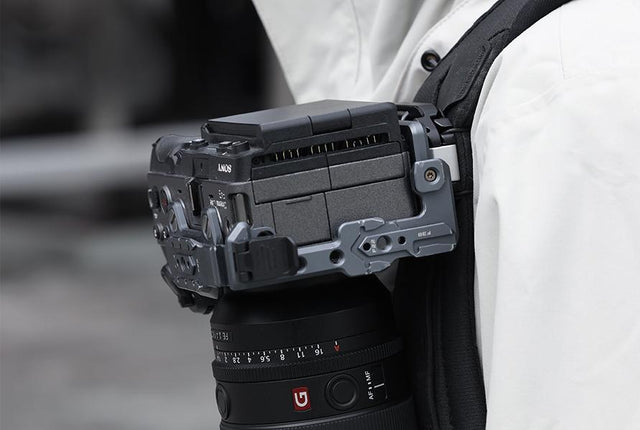
- These are perfect for hiking POV shots. A backpack strap clamp keeps the DJI Pocket 4 at chest level, providing a stable view of your path.
- They are also great for mounting to bikes, strollers, or gym equipment where you need the camera to stay put no matter how much things shake.
When Not to Use Clamp Mounts
Avoid using them on surfaces that are too thin or flexible. For example, if you clamp onto a thin plastic car trim piece, the trim might vibrate so much that your footage becomes unusable, even if the clamp stays attached.
Selecting Suction Mounts for DJI Pocket 4

Suction mounts are the standard choice for anything involving cars or glass. They use a vacuum seal to lock onto a surface, creating a very rigid bond that can handle high speeds.
How Suction Mounts Work
These mounts have a rubber cup and a lever. When you press the cup against a surface and flip the lever, it pulls the center of the cup up, creating a vacuum. This suction can hold several pounds of weight if the seal is airtight. For a DJI Pocket 4, a suction mount allows you to get those professional-looking "car vlogger" angles. However, they require a very specific type of surface to work correctly, or they will fail without warning.
Pros of Suction Mounts
They are extremely strong on glass and polished metal. This makes them the best choice for car windshields or side windows. They allow you to place the camera in spots where a clamp or magnet simply wouldn't work.
Cons and Risks
- Suction mounts only work on non-porous surfaces. If there is even a tiny bit of texture, dust, or a scratch, air will leak in and the mount will fall.
- Changes in temperature can also affect the seal. If you mount a camera in the morning and the sun heats up the glass, the air inside the suction cup expands and could break the vacuum.
Best Use Cases for Suction Mounts
- Use these for car interiors and exterior shots on clean body panels.
- They are also great for mounting to mirrors in a bathroom for "get ready with me" videos or on windows in a studio to get a high-angle shot without a tall tripod.
When Not to Use Suction Mounts
Never use a suction mount on a dirty or wet surface. Also, avoid using them on curved surfaces where the edges of the rubber cup can't make a flat seal. If you are filming a long road trip, you must check the suction every few hours to make sure it is still tight.
Side-by-Side Comparison: Which Mount Wins?
Choosing the right mount is easier when you see the trade-offs side-by-side. The following table breaks down the key differences so you can make a quick decision based on your environment.
|
Mount Type |
Best Surfaces |
Ideal Scenarios |
Stability |
Setup Speed |
Risk Level |
|
Magnetic |
Steel, Iron, Fridges |
Indoor vlogs, quick swaps |
Medium |
Very Fast |
High (if bumped) |
|
Clamp |
Bars, Straps, Rails |
Hiking, Biking, Walking |
High |
Medium |
Low |
|
Suction |
Glass, Car Paint |
Car vlogs, Window mounts |
High |
Medium |
Medium |
Decision Factors to Consider
When you pick a mount, ask yourself three questions:
1. What is the surface? (If it's a backpack, use a clamp. If it's a window, use suction.)
2. How much will it shake? (High vibration needs a clamp or a high-end suction cup.)
3. How fast do I need to move? (If you are switching angles every minute, magnets are your friend.)
Scenario-Based Recommendations for Creators
Different styles of filming require different gear. Here is exactly what we recommend for the most common ways people use the DJI Pocket 4.
For Everyday Vlogging and Indoor Use
If you are mostly filming at home or in a studio, a magnetic mount is the best choice. Most homes have plenty of metal surfaces like appliances or door frames. If you don't have metal, a small desk clamp is a great secondary option for attaching the camera to the edge of a table or a shelf.
For Hiking, Travel, and Walking Tours
A backpack-strap clamp is the gold standard here. It keeps the DJI Pocket 4 secure and upright. Because your body absorbs a lot of the shock from walking, the clamp provides a very stable base for the gimbal to work its magic. It keeps your hands free to use trekking poles or hold a map.
For Car Vlogs and Road-Trip Footage
For interior shots, use a suction mount on the windshield. It gives you a clear view of the driver and passenger. If you want to mount the camera on the outside of the car, use a high-quality vacuum suction mount and always use a safety tether. Avoid using magnets on the outside of a car, as wind resistance at 60 mph can easily rip the camera away. Vehicle-mounted devices should also avoid obstructing the driver's view, as noted in federal windshield-mounted technology guidance. windshield-mounted technology guidance
For Action and High-Vibration Environments
When you are on a bike, scooter, or off-road vehicle, stick with a heavy-duty metal clamp. Attach it to a solid part of the frame, like the handlebars or a roll bar. These environments have the highest risk of gear failure, so a mechanical grip is a must.
Matching your mount to your activity ensures you spend more time filming and less time worrying about your camera falling onto the pavement.
Safety Tips and Mounting Best Practices
No matter which mount you choose, a few simple habits can save your DJI Pocket 4 from a disaster. Safety should always come before convenience.
Always Add a Safety Line for Critical Shots
A safety line is a thin wire or strong string that connects your camera to a secure point. If the mount fails, the safety line catches the camera before it hits the ground. This is mandatory for car exteriors or when hanging the camera over a ledge. You can attach the line to a camera cage or the wrist strap hole.
Test Before Shooting
Before you start recording, give the camera a firm "tug test." Push and pull on the mount to see if it moves or flexes. If it feels soft or wobbly, it will only get worse once you start moving. For suction mounts, wait one minute after mounting to see if the seal holds before you let go.
Avoid Blocking or Stressing the Gimbal
Ensure your mounting hardware doesn't touch the moving parts of the gimbal. If the gimbal's movement is restricted, the motors will work too hard and eventually shut down or break. DJI's official user manual also warns about preventing unnecessary gimbal and screen damage during storage and handling. official user manual Use a dedicated cage that provides clearance for the head to rotate 360 degrees.
Secure Your DJI Pocket 4 With the Right Gear
No single tool handles every shot. Magnets offer speed for quick swaps, clamps provide heavy-duty security on the move, and suction cups lock onto glass for smooth travel clips. Matching your mount to the surface keeps your camera safe and your footage steady. If you start with a versatile clamp, you can expand your kit later. Pick the right grip, check your connection, and focus on filming without the stress of a drop.
FAQs
Q1: Is a magnetic mount safe for car use?
It is safe for the interior if you stick it to a solid steel part of the frame. However, for the exterior, it is risky. Wind and bumps can cause magnets to slide. A suction mount is much safer for the outside of a vehicle.
Q2: What is the best mount for hiking POV?
A backpack-strap clamp is the best option. It is secure, comfortable, and keeps the camera at a natural eye-level or chest-level height.
Q3: How do I stop my mount from falling off?
Keep your surfaces clean, use mechanical clamps for high-vibration activities, and always use a safety tether. Checking your mount every time you take a break is the best way to prevent accidents.