| Traveler Type | Top Priority | Best Features | What to Avoid | Best For... |
| Backpacker | Low Weight | Carbon fiber, 3-4 leg sections | Tall, heavy frames | Long trails& hiking |
| Frequent Flyer | Packability | Slim profile, under 16" folded | Bulky, wide designs | Carry-on only travel |
| City/Street | Speed | Rapid-pull legs, lever locks | Slow, screw-in parts | Fast-paced urban shots |
| Landscape | Rugidity | Spiked feet, weather seals | Thin, flimsy legs | Harsh outdoor weather |
| Night/Long Exp. | Sharpness | High-quality ball head, no creep | Tall center columns | Stars & blue hour |
| Vlogger | Versatility | Accessory mounts, flexible legs | Heavy, stiff setups | Social media & video |
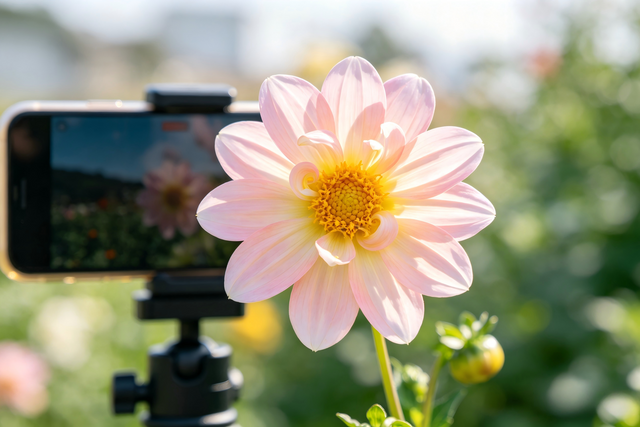
| Smartphone | Simplicity | Built-in phone clamp, remote | Overkill camera gear | Casual mobile photos |
| Budget | Value | Reliable aluminum, Arca plates | Cheap plastic builds | New photographers |
| Premium | Performance | High-modulus carbon fiber | Overpriced marketing | Pros needing the best |
The best travel tripod for you is the one that fits your travel style first. Think about your carry-on space, how far you plan to hike, and how fast you need to set up. Stability and height matter, but they usually involve trade-offs in weight or price.

Quick Chooser: Find Your Match in 60 Seconds
Picking a tripod depends on where you are going and what you are carrying. Different trips require different features, so identify your main priority before looking at specific specs.
-
Frequent Flyers: Look for a short folded length. It needs to fit inside a standard carry-on bag or a side pocket without sticking out.

- Long-Distance Hikers: Weight is everything. Carbon fiber is usually the top choice here to save your back on 10-mile days.

- Night & Landscape Shooters: You need stability. Look for thicker legs and try to avoid using the center column to keep things steady in the wind.
- Vloggers: Speed and angles are key. You want a tripod that opens in seconds and can handle low-angle shots for creative b-roll.

- Smartphone Users: Keep it simple. A dedicated phone mount and a tiny footprint are more important than heavy-duty weight capacities.

Key Technical Specs for 2026 Travel Tripods
Technical details show how a tripod performs outdoors. Knowing these specs helps you avoid gear that is too bothersome to carry.
Folded Length
This is the "will I actually bring it?" factor. Many modern designs use reverse-folding legs to shave off inches. If you fly often, look for a length under 16 inches so it fits inside your bag.
Weight
A small difference in weight matters on long walking days. For a best travel tripod for backpackers, carbon fiber is the top choice. It is much lighter than aluminum and easier to carry for miles.
Working Height
Max height usually includes the center column, but using it makes your camera shake. Check the height with the column down. A stable tripod at chest height is better than a tall, wobbly one.
Stability Factors
Look for thick leg diameters and vibration control. Use the hook at the bottom to hang your bag for extra weight. For locks, twist styles are slim, while flip locks are faster to check.

Head and Quick Release
A ball head is best for fast adjustments. Make sure it has Arca-type compatibility. This convenience factor lets you swap gear quickly without needing extra tools or plates.
Real-World Load
Don't rely on max payload ratings alone. A tripod might hold 20 lbs but still shake with your longest lens. Real-world stability depends on how well the tripod handles the actual size and balance of your gear.
The Best Tripod Options Based on How You Travel
Every traveler has a different "ideal" setup based on their gear and destination.
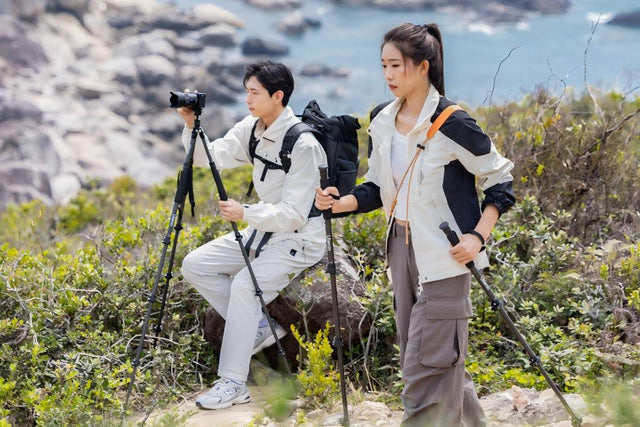
Backpackers & Hikers (Ultralight Focus)
Who it's for: People carrying all their gear on their backs for multiple days.
- What matters most: Cutting weight without losing the ability to take a sharp photo at sunset.
- Recommended features: Carbon fiber legs, three or four leg sections (fewer sections are more stable), and a compact ball head.
- Common mistakes: Carrying a tripod that is too tall. You can often use a rock or a slope to get extra height rather than carrying a heavier, taller tripod.
Summary: The best travel tripod for backpackers balances a tiny footprint with enough strength to hold a mirrorless camera.
Frequent Flyers & Carry-on Travelers (Packability Focus)
Who it's for: Travelers who never check a bag and need gear to fit in overhead bins.
- What matters most: A slim profile. Some tripods are designed to be as thin as a water bottle.
- Recommended features: Removable heads and legs that fold flat or very tight together.
- Common mistakes: Buying a tripod that is thin but too long to fit horizontally in a suitcase.
Summary: Focus on the "packed volume" rather than just the weight.
City Travelers & Street Photographers (Speed Focus)
Who it's for: People moving through crowds who need to set up, shoot, and leave.
- What matters most: Deployment speed. You don't want to spend three minutes unscrewing leg locks while the light changes.
- Recommended features: Rapid-pull legs or high-quality lever locks.
- Common mistakes: Using a tripod that requires a separate tool (like an Allen key) to make basic adjustments.
Summary: Look for a "grab and go" design that feels like an extension of your hand.
Landscape & Extreme Environments (Stability Focus)
Who it's for: Photographers facing wind, water, or uneven terrain.
- What matters most: Rigidity and the best durable travel tripod for outdoor adventures.
- Recommended features: Spiked feet for grip on ice or dirt, and weather-sealed locks to keep sand and salt out.
- Common mistakes: Using the thinnest leg sections in high winds.
Summary: This is the best travel tripod for extreme sports photography where gear must survive the elements.
Night Photography & Long Exposures (Sharpness Focus)
Who it's for: Milky Way chasers and blue hour city fans.
- What matters most: Zero "creep." This means the head doesn't slowly sag after you tighten it.
- Recommended features: A high-quality ball head with a separate pan lock and tension control.
- Common mistakes: Thinking a tall tripod is better. Lower to the ground is usually steadier for long shutter speeds.
Summary: Prioritize a rock-solid head over a tall maximum height.
Vloggers & Content Creators (Versatility Focus)
Who it's for: Solo creators who need to film themselves and their surroundings.
What matters most: A head that moves smoothly and legs that can wrap around railings or stand on uneven cafe tables.
- Recommended features: Integrated cold shoe mounts for microphones or lights.
- Common mistakes: Buying a heavy traditional tripod that makes vlogging for more than ten minutes painful.
Summary: Flexibility and multi-functionality are your best friends here.
Smartphone-First Travelers (Simplicity Focus)
Who it's for: Travelers using the latest iPhone or Android as their primary camera.
- What matters most: A secure, built-in phone clamp and a Bluetooth remote.
- Recommended features: Lightweight materials and a very small folded size.
- Common mistakes: Buying a cheap "selfie stick" that tips over in a light breeze.
Summary: Keep it light, but ensure the base is wide enough to protect your phone.
Budget Travelers (Value Focus)
Who it's for: Those who want stability without spending hundreds of dollars.
- What matters most: Reliability. It's better to have a slightly heavier, well-made aluminum tripod than a cheap, broken carbon fiber one.
- Recommended features: Simple aluminum builds and Arca-Swiss compatible plates.
- Common mistakes: Buying the cheapest possible plastic tripod that shakes when you press the shutter.
Summary: Look for "old reliable" aluminum models from reputable manufacturers.
Premium Buyers (Best-in-Class Focus)
Who it's for: Professionals or enthusiasts who want the absolute best performance.
- What matters most: Engineering. This is the best travel tripod for professional photographers who need high-modulus carbon fiber.
- Recommended features: Precision-machined parts and a weight-to-strength ratio that feels impossible.
- Common mistakes: Buying a premium brand name without checking if the specs actually beat the mid-range options.
Summary: Invest in a tripod that will last ten years of constant travel.
Pro Tips for Getting Sharper Images on the Road
Even the most expensive gear can fail if you don't use it correctly. Small adjustments to your shooting habits can make a budget tripod perform like a high-end one.
- Ditch the Center Column: Only raise it as a last resort. Keeping the camera close to the leg junction is the single best way to reduce blur.
- The "Thickest First" Rule: When extending legs, start with the top, thickest sections. Only use the thin bottom sections if you absolutely need the height.
- Hang Your Bag: Most travel tripods have a hook. Use it. Adding 10 lbs to a 3 lb tripod makes it much harder for the wind to move it.
- Use a Remote or Timer: Touching the camera to take the photo creates a tiny shake. Use a 2-second timer so the vibrations settle before the shutter opens.
- Check Your Feet: Make sure your tripod is on solid ground. Mud, sand, or carpet can cause the legs to sink slowly during a long exposure.
Final Checklist Before You Buy a Travel Tripod
Run through these points to ensure the tripod fits your real-world needs before you buy.
1. Total Gear Weight: Does the tripod's "safe load" exceed your camera and heaviest lens by at least 50%?
2. Suitcase Space: Have you measured your favorite travel bag to see if the tripod fits inside?
3. Eye Level: Is the height comfortable enough for you, or will you be hunched over all day?
4. Plate Style: Does it use an Arca-Swiss style plate? (This makes it easier to swap between different gear).
5. Environment: Will you be in salt water or sand? If so, are the legs easy to take apart and clean?
FAQs About Travel Tripods
Q1: Is carbon fiber worth the extra money for travel?
Yes, for most people. If you plan to walk more than a mile or two with your gear, the weight savings are noticeable. It also doesn't get as cold to the touch in winter or as hot in the sun, making it more comfortable to handle.
Q2: How tall should my tripod be?
Ideally, it should reach your chest level without the center column extended. This allows you to look through the viewfinder with just a slight bend. If you use a flip-out screen, you can get away with a much shorter, more portable tripod.
Q3: Can I use a camera tripod for a smartphone?
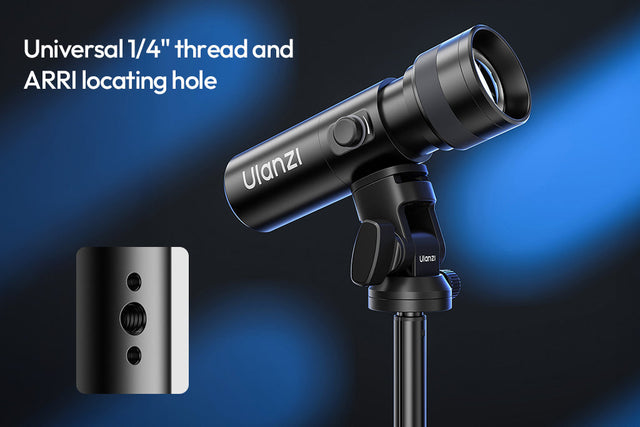
Absolutely. Most camera tripods use a standard $1/4$-inch screw. You just need to buy a cheap, high-quality phone clamp that screws onto that base. This is often more stable than buying a tripod made specifically for phones.