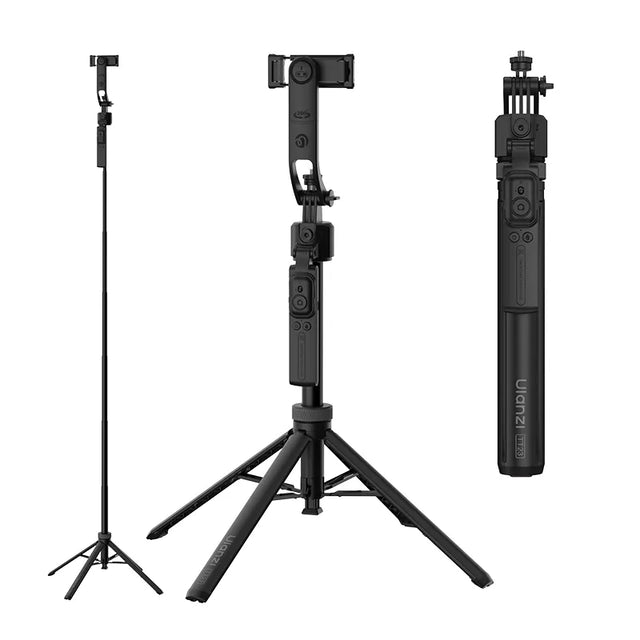
In 2026, sustainability has become a core professional value for creators who want to reduce environmental impact without sacrificing the reliability their work demands. Sustainable camera accessories achieve this balance by prioritizing verified recycled materials, modular designs that extend product life, and verifiable durability standards rather than marketing labels alone.

Why Sustainable Camera Accessories Matter in 2026
The environmental footprint of a typical creator rig comes mainly from the energy used to produce materials and the frequency of replacement. For many independent filmmakers and videographers, switching to eco-friendly creator gear now means lower long-term waste while maintaining the precision needed for daily professional use. This shift is driven by both personal values and client expectations in the creator economy.
Material choices and product lifespan matter far more than single-use “green” features. A rig built with durable, repairable components reduces the need for frequent replacements, which is the largest source of waste in content creation workflows. Creators who film outdoors, travel often, or maintain studio setups benefit most when accessories last through hundreds of setup cycles instead of failing after a few dozen.
Verifying Eco-Friendly Creator Gear: Beyond the Greenwashing
The most reliable way to confirm genuine recycled content is the Global Recycled Standard (GRS), which requires at least 50% recycled material and tracks the supply chain from source to finished product. Look for the GRS label on packaging or product pages rather than vague marketing terms.
ISO 14021:2016 provides the technical definitions that separate meaningful claims from greenwashing. It distinguishes pre-consumer recycled material (scrap from manufacturing) from post-consumer material (waste collected after consumer use). Post-consumer content generally delivers higher environmental value because it diverts actual end-of-life products from landfills.
FTC guidelines warn that “recyclable” claims can mislead if local collection and processing infrastructure cannot handle the product. Complex composites or mixed-material accessories often end up in landfills even when labeled recyclable. Metal components like aluminum generally offer better end-of-life recoverability than plastic or carbon-fiber alternatives when properly sorted.
The Role of Recycled Aluminum in Professional Camera Rigs
Recycled aluminum saves approximately 95% of the energy needed to produce primary aluminum from bauxite, according to data from the International Aluminium Institute. This makes it one of the highest-impact material choices for cages, tripod legs, and mounting plates.
Aluminum can be recycled repeatedly without significant loss of properties, unlike many plastics that degrade with each cycle. In 2026, professional creators increasingly specify recycled 6061 and 7075 alloys for structural components because these grades maintain the strength-to-weight ratio required for stable video and photography work.
Recycled Aluminum Cuts Energy and Carbon vs Primary Aluminum
Recycled aluminum offers a clear environmental advantage for camera rigs while keeping the material fully usable in metal applications.
View chart data
| Category | Primary aluminum | Recycled aluminum |
|---|---|---|
| Energy intensity (kWh/kg) | 51.7 | 2.3 |
| Carbon footprint (kg CO2e/kg) | 15.1 | 0.52 |
| Material recoverability (%) | 99 | 99 |
The chart above visualizes the environmental benefit of choosing recycled aluminum. The 95% energy reduction holds across typical rig components while mechanical performance remains comparable when the alloy is properly processed.
Balancing Durability and Sustainability: The Professional Reliability Bar
Many creators hesitate to choose recycled materials because of the durability trust gap—concern that “green” parts may wear faster under repeated use. For quick-release plates and clamps that see 10–50 swaps per shoot, the deciding factor is not feedstock origin but precision machining and surface hardness.
Recycled aluminum can match primary aluminum in tolerance retention and fatigue life when manufacturers apply the same purification, alloy control, and wear-testing standards. The practical difference often comes down to maintenance: applying thread locker (Loctite) and performing regular inspections prevents vibration-induced loosening that affects both recycled and virgin parts.
For mission-critical load-bearing components, check manufacturer data on cycle testing rather than accepting recycled-content claims alone. In field production with high swap frequency or wind exposure, a well-maintained recycled aluminum rig typically performs reliably when the design accounts for interface wear.
Modular Rigs as a Low-Waste Strategy: The F38 Ecosystem Lifecycle
A unified modular system reduces overall waste by eliminating the need for multiple proprietary mounts and the inevitable “drawer of dead accessories.” The Falcam F38 Quick Release Series concentrates wear on replaceable plates instead of the main tripod or cage, allowing component-level repair rather than full replacement.
Cross-device compatibility between smartphone and mirrorless setups further cuts material use by avoiding duplicate accessory sets. Aluminum plates remain highly recyclable at end of life, unlike many composite or plastic mounts that are harder to process.
The lifecycle advantage appears when you compare total turnover over three to five years. A modular ecosystem may require more plates upfront, but it avoids repeated purchases of entire support systems. This approach works best for creators who switch between devices or shooting styles frequently.
Building an Environmentally Friendly Videography Gear Setup
Start by selecting a core support system with verified recycled content and modular quick-release compatibility, such as the Ulanzi Zero F38 Quick Release Travel Tripod 3131 or other models in the Tripods collection. Pair it with metal cages and mounts that prioritize repairability over disposable designs.
Evaluate packaging for FSC-certified cardboard and soy-based inks, which reduce forestry impact and improve recyclability. Proper storage extends lifespan significantly—keep gear in dry, organized conditions to prevent corrosion or thread damage, as outlined in practical guides like How to Properly Store Your Camera Cage.
Focus on metal components for lighting arms, monitor mounts, and audio brackets because they offer higher end-of-life recoverability than mixed composites. Regular maintenance, including thread locking and pin inspection, becomes the most effective sustainability practice because it directly reduces replacement frequency.

Investing in Longevity: The Future of Sustainable Creator Infrastructure
The long-term value of sustainable creator gear lies in durability as the ultimate form of waste reduction. Products engineered for repeated repair and high recyclability support a more circular economy where components stay in use longer and recover higher material value at end of life.
A practical checklist for eco-conscious buyers includes: verifying GRS or equivalent certification for recycled content, confirming precision tolerances on load-bearing parts, choosing modular quick-release systems like the Ulanzi Uka Quick Release System, prioritizing metal over non-recyclable composites, and committing to basic maintenance routines.
By treating longevity and repairability as core selection criteria alongside environmental claims, creators can build rigs that perform reliably today while minimizing their contribution to future waste streams.
FAQs
What Does GRS Certification Actually Verify for Camera Accessories?
GRS certification confirms that a product contains at least 50% recycled content and that social and environmental standards were met throughout the supply chain. For camera rigs this means independent auditing of material sourcing, processing, and finished goods rather than self-reported claims. It is currently the strongest third-party verification available for recycled aluminum and other materials used in creator gear.
Is Recycled Aluminum Mechanically Weaker Than Primary Aluminum in Rigs?
No, when properly refined and machined to the same alloy specification (such as 6061 or 7075), recycled aluminum meets the same strength, hardness, and fatigue requirements as primary material. The key variables are purification consistency and post-processing quality control, not the recycled content itself. Always check manufacturer cycle-test data for quick-release and clamp components.
How Can I Tell If “Recyclable” Claims on Creator Gear Are Meaningful?
Check whether the claim specifies the percentage of consumers who have access to appropriate recycling infrastructure in the markets where the product is sold. According to FTC and ISO 14021 rules, unqualified “recyclable” statements are only allowed when at least 60% of consumers can actually recycle the item. For complex multi-material accessories this is often not the case, making metal-only designs preferable.
Does a Modular Rig Like F38 Actually Reduce Total Waste Over Time?
Yes, when used across multiple devices and shooting scenarios. The system limits duplication of proprietary plates and concentrates wear on easily replaced components. Over three to five years the reduction in full-system replacements usually outweighs the initial purchase of additional plates, especially when aluminum parts are recycled at end of life.
What Maintenance Steps Most Improve the Lifespan of Eco-Friendly Metal Gear?
Apply thread locker to screws during initial assembly, inspect quick-release pins and clamps every 50–100 uses, and store equipment in a dry, organized environment. These habits prevent vibration loosening and corrosion that would otherwise shorten service life, making maintenance one of the highest-leverage sustainability practices.
Should I Choose Post-Consumer or Pre-Consumer Recycled Content?
Post-consumer recycled content generally offers greater environmental benefit because it diverts material that has already completed a full consumer lifecycle. Pre-consumer scrap (manufacturing waste) is still valuable but represents a smaller diversion from landfill. For non-precision parts, prioritize products that clearly state the post-consumer percentage.