Great shots disappear in a heartbeat. You spot a perfect scene, but the moment vanishes while you fumble with zippers. Even with expensive lenses and high-end sensors, a slow workflow can ruin your results. The 3-second rule fixes this. You must go from seeing a subject to hitting the shutter in three seconds. A camera backpack with side access makes this possible. It eliminates the need to take off your bag, removing the wall between you and your photo. Success depends on your workflow, gear setup, and steady practice to make every second count.
What Is the 3-Second Rule in Photography?
The 3-second rule is a benchmark for readiness. It defines the maximum amount of time you should spend retrieving your gear after you see something worth shooting. If it takes longer, the scene usually changes or disappears.
Why Timing Matters in Different Genres
- In street photography, human expressions change in a heartbeat. A smile or a curious look lasts only a moment. If you are fumbling with buckles, you lose the raw emotion.
- For wildlife, animals are unpredictable. A deer might look your way for two seconds before vanishing into the brush.
- Even at events and weddings, the best shots are the candid ones, such as the tears during a speech or a sudden laugh, which don't wait for you to find your camera.
The High Cost of Gear Delay
When your gear is buried, you don't just miss a photo; you lose the flow of the day. You become more focused on your bag than the environment. This delay creates frustration and makes you less likely to try for difficult shots.
Ultimately, your speed depends on how quickly you can reach your equipment. If your camera is stuck at the bottom of a traditional pack, you are essentially shooting with one hand tied behind your back.
How Side Access Camera Backpacks Make the Difference

Traditional camera bag designs often force you to stop walking, put your bag on the ground, and search through layers of gear. This kills your momentum and keeps your eyes off the subject.
Access Gear Without Removing the Bag
The primary advantage of a side access backpack is that it stays on your body. You don't have to find a clean, dry spot to set the bag down. This is vital in crowded cities or muddy trails. You simply swing the bag under your arm, unzip, and pull the camera out. It turns a multi-step process into a single motion.
Comparing Traditional and Side Access Designs
Standard bags usually fall into three categories:
- Top Access: These are often deep. You have to move lenses or accessories out of the way to reach the camera body. It is a slow process that requires digging.
- Rear Access: While secure, these require you to take the bag off entirely. This is the slowest method for active shooting.
- Side Access: This is the fastest real-world workflow. A side opening backpack places the camera right at your hip.
Real-World Benefits in Dynamic Environments
In a busy market or on a hiking trail, the environment is always moving. A quick access camera bag allows you to stay mobile. You can keep walking, grab your camera for a quick snap, and stow it back away without ever breaking your stride. This efficiency makes it the best choice for anyone who shoots on the go.
The Core Workflow Behind the 3-Second Rule
To reach the 3-second goal, you need a repeatable system. Speed comes from eliminating waste in your movements. You need to move from "seeing" to "shooting" with as few physical steps as possible.
Reduce Steps, Not Just Time
Efficiency is about physics. If you have to unclip a chest strap, take off a shoulder strap, and then unzip a lid, you have already used up five seconds. A fast draw camera bag removes those middle steps. By keeping the bag on your shoulder, you cut the transition time in half.
The "Swing and Grab" Technique
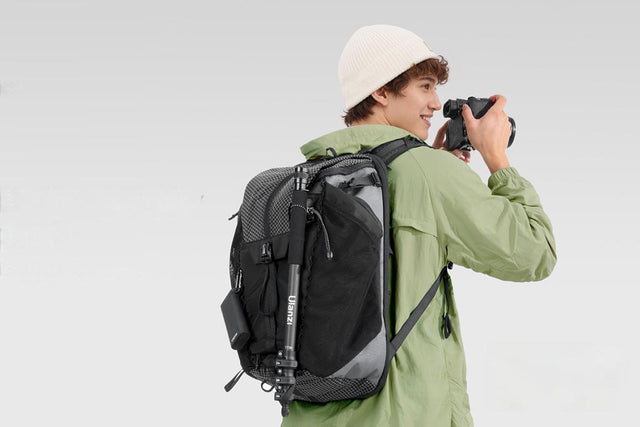
This is the foundational move for any camera sling backpack or side-entry pack. While wearing the bag, slip your non-dominant arm out of the strap (if using a two-strap bag) and swing the pack around to your chest. The side door should face upward. Unzip the compartment and pull the camera out by the grip. With practice, this whole motion takes about 1.5 seconds.
Muscle Memory Over Thinking
True speed comes when your hands know exactly where the zipper is located. Repetition turns these actions into an instinct. When you don't have to think about the bag, your brain stays focused on the composition and lighting of the shot.
How to Set Up Your Backpack for Instant Access
A great bag is useless if the inside is a mess. How you organize your internal dividers determines if the camera slides out smoothly or gets snagged on a strap.
Position Your Camera Correctly
The camera should always be placed with the grip facing the side opening. When you unzip the bag, your hand should naturally land on the handle. If you have to reach in and rotate the camera before pulling it out, you are wasting precious time.
Use Custom Dividers Effectively
Use the padded dividers to create a "cockpit" for your camera. It should fit snugly so it doesn't shift while you walk, but not so tight that it sticks. Make sure no small items, like extra batteries or lens cloths, are loose in the main camera area. These can jam the zipper or get in the way of your hand.
Keep It Minimal
The more gear you cram into an urban camera backpack, the harder it is to move quickly. Overpacking stretches the fabric and makes zippers harder to pull. Carry only what you need. A clear, empty path for your hand is better than having three extra lenses you won't use.
Choose the Right Features
Look for a bag with a wide side opening. Small doors make it hard to grab a full-size DSLR with a large lens attached. Ensure the zippers are high-quality and slide without catching. An ergonomic design ensures the bag sits at the right height on your torso for an easy swing-around motion.
Training Yourself to Achieve the 3-Second Rule
Speed is a skill you can develop at home. Dedicated drills will help you reach that 3-second mark consistently.
Daily Practice Routine
Spend five minutes a day practicing the "swing and grab." Do it 20 to 30 times. Use a stopwatch or a phone timer to see how long it takes you to go from a walking stance to having the camera at your eye. Try to beat your previous time by a fraction of a second each day.
Simulated Shooting Scenarios
Have a friend call out "now" at random times. When they give the signal, try to retrieve your camera and focus on an object in the room. This adds a level of pressure that mimics real-world photography. It forces you to react to an external trigger rather than moving at your own pace.
Blind Access Training (Advanced)
Try retrieving your camera with your eyes closed. This builds tactile familiarity. If you can find the zipper, open the flap, and grab the camera without looking, you will be much faster in the field. This is especially helpful for low-light photography where you can't see your bag clearly.
Best Use Cases for the 3-Second Rule
Fast-paced shooting environments require quick gear access. A weatherproof camera backpack with a side opening keeps you ready when speed is the priority.
Street Photography
City life moves quickly. A person might walk past a unique shadow for only a moment. Using the 3-second rule helps you capture these fleeting human moments without missing the timing.
Wildlife Photography
Animals are unpredictable. A bird might sit on a branch for a few heartbeats and then fly away. Rapid access ensures you react to sudden movements rather than photographing an empty sky.
Travel & Adventure
Shooting while on the move is difficult with a heavy pack. Side access allows you to grab your camera in a crowded market or on a trail without stopping to put your bag on the ground.
Events & Weddings
Parties and weddings are full of spontaneous emotions. Drawing your camera quickly lets you catch a real laugh or a tear the second it happens.
Common Mistakes That Slow You Down
Small errors in how you use your gear can ruin your speed. Even a high-quality camera backpack fails if your habits create delays.
- Incorrect backpack orientation: Wearing straps too loose or too tight prevents a smooth swing. The side door land right at your chest.
- Poor internal organization: If you have to search for your camera, you lose the shot.
- Overloaded gear: Stuffing the bag too full creates tension on the zippers, making them stick.
- Relying on visual confirmation: Looking down at your bag wastes time. You need to grab your gear by feel.
- Using the wrong bag: Many backpacks lack a dedicated side opening, forcing you to stop and take the pack off entirely.
How to Choose the Right Side Access Camera Backpack

Picking the right bag helps you stay fast and comfortable during long shoots. You need a setup that protects your gear while keeping it within reach.
Key Criteria for Speed
- Fast access design: Look for a dedicated side opening that allows you to pull your camera out in one motion.
- Internal organization system: Choose a bag with adjustable dividers to create a perfect, snug fit for your specific gear.
- Comfort and weight distribution: Padded straps and a balanced frame prevent fatigue, which keeps your movements sharp.
- Weather resistance and durability: Tough materials and water-resistant coatings protect your equipment in any environment.
Why Ergonomics and Layout Matter
The bag should feel natural on your body. An intuitive layout ensures zippers land where your hands expect them to be. When the ergonomics are right, you save energy and move with more efficiency.
Capture Every Moment with Your Side Access Backpack
The 3-second rule centers on readiness. Your gear is useless if you can't reach it quickly. A camera backpack with side access removes the physical barriers between you and a great photo. Pair this bag with a smart layout and daily practice. Once your movements become second nature, you stop fighting your bag and focus on your art.
FAQs
Q1: What is the 3-second rule in photography?
It is the goal of being able to see a subject, grab your camera, and be ready to take the photo in under three seconds.
Q2: Are side access camera backpacks really faster?
Yes, because they allow you to reach your gear without taking the bag off your shoulders, saving several steps.
Q3: Can beginners learn the 3-second rule easily?
Yes. It is a mechanical skill. Anyone can master it by organizing their bag correctly and practicing the motion at home.
Q4: What type of photography benefits most from this?
Any genre where the subject is moving or temporary, such as street, wildlife, travel, and candid event photography.